Reading response
Content
- What area of the world/universe is being discussed? What other explorations are mentioned (if any)?
Machu Picchu in Peru, also mentioned are his prior expeditions in south America.
- When did the events happen?
In the 1910s, when Bingham took multiple expeditions through south America. And also in more recent years, in regards to the return of artifacts to Peru. - What questions do you still have about this expedition after listening to/reading this content?
What argument does Yale make to keep the artifacts? It feels like only one side was presented here. Why is Hiram Bingham so celebrated as an explorer, when what he really only deserves credit for is spreading the word about the ruins? Additionally, the expedition itself sounded (compared to the others that we have discussed) like a literal walk in the woods. - What parts of the story were most interesting to you?
The “treasure of Machu Picchu” was interesting, in particular the knife that was uncovered. What’s really interesting though, is the way in that Machu Picchu was “discovered”. Natives already knew about the ruin, and Bingham was led to the ruin by a five year old child. As we talked about “native knowledge” in class, it’s interesting the way that the native Andeans both found and excavated the site, yet Bingham is credited as the explorer that found it.
Form
- What is the form the content is being presented in?
A short lecture by Penn State professor Christopher Heany. Roughly divided up into the history of Bingham and his family, the discovery and excavation of Machu Picchu, and the ongoing debate about artifacts. - What aspects of the form are especially interesting or noteworthy?
The live audience laughed at some of the funnier bits. Comparing it to other podcasts or articles, it is interesting that it was all done in one take, with no edits. - What aspects of the form don’t really work?
The pictures were really illuminating, it kind of made me wonder about whether this would have been better as a pre-recorded lecture, with more pictures and less video of the professor speaking. - How could this content be made even more interesting or accessible to the general public?
The pictures were the best part, combined with his explanations, so perhaps more diagrams, maps, etc. could have been more informative. Especially in such a radical landscape, understanding things like the elevation of the mountains and the route taken to the ruins would have been interesting.
Additional resources
- Find (at least) one additional scholarly resource that relates to this specific topic or the week’s more general topic. Create a citation and also add the resource to our class Zotero library.
- Find (at least) one additional primary source that relates to this specific topic of the week’s more general topic. Include an explanation of the source and a link to it. (I’d highly recommend using Tropy to keep track of these primary sources!)
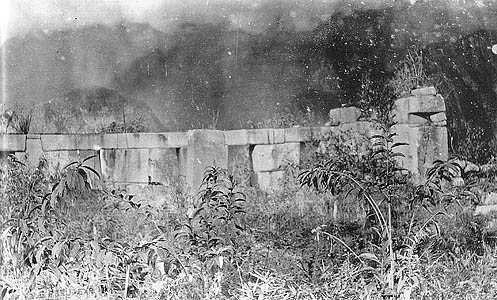
- https://historycollection.co/21-striking-photographs-machu-picchu-discovery/
Pictures from Hiram Bingham’s expedition
 Explorers